

No Rohingya Word For "Down's Syndrome"
Updated: Aug 8, 2025

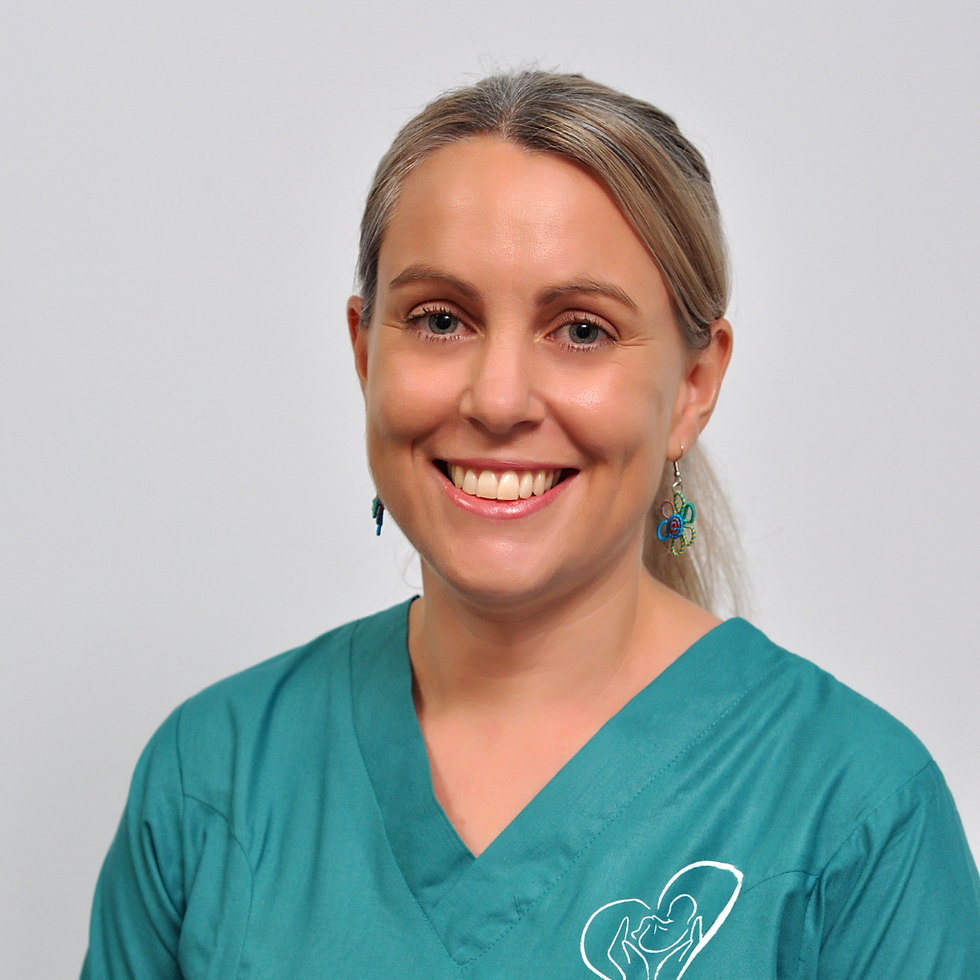
During May of 2025, Dilber’s baby, Eliya, was crying constantly, running frequent fevers, and refusing to eat. Like most mothers, Dilber assumed her child had a cold or some kind of virus. She never expected what she heard at the Doctors Without Borders mobile clinic, where she met Breathe Life’s First 1000 Days coordinator, Fransé.
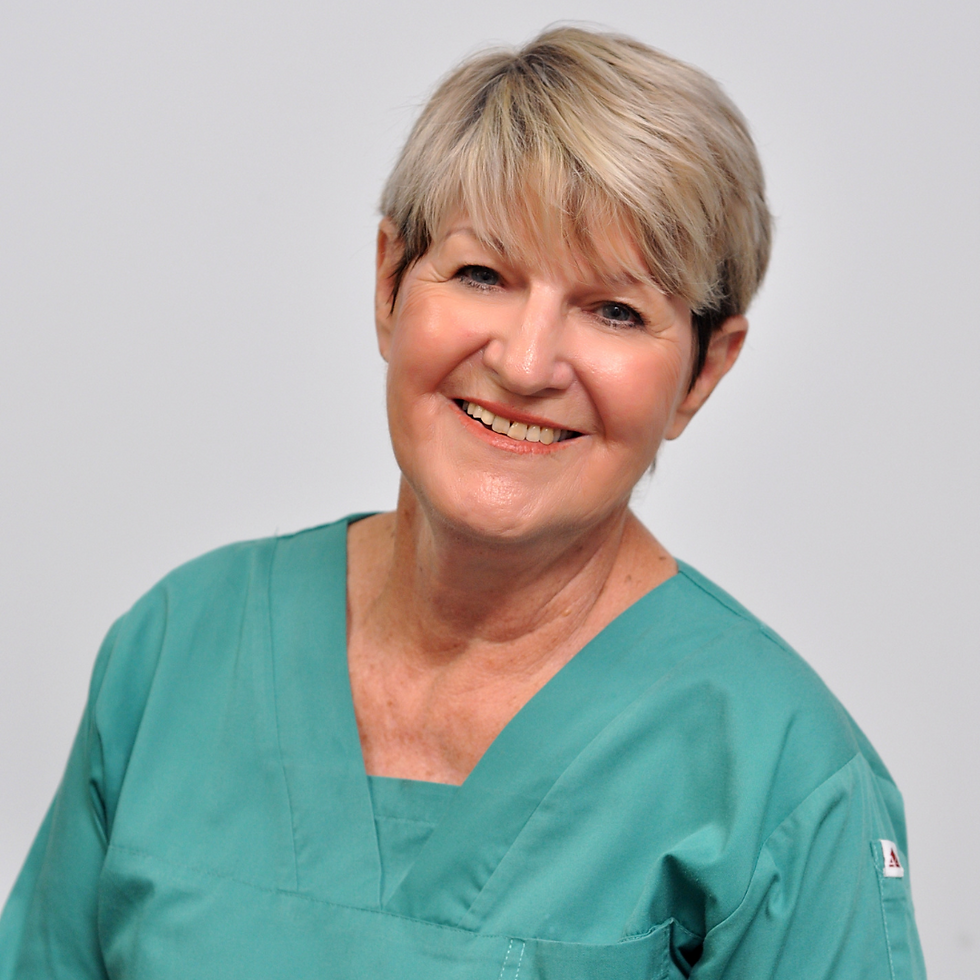
Not long afterward, Fransé visited Dilber’s house with Dee, a Breathe Life translator and assistant doula. The pair explained what no one else had: Eliya had Down's Syndrome. As Dilber received the diagnosis, “She started to cry,” Dee said.
There is no word for Down's Syndrome in Rohingya, and Dilber had neither met nor heard of anyone with the condition. Even now, Dilber and her husband are not sure how to tell their eight-year-old son about his sister’s illness.
Before the mobile clinic, Dilber had only heard about Breathe Life. She hadn’t attended any prenatal classes because she knew the nonprofit prioritized financial support for those without documentation. But once she met the team, she was invited to join the “First 1000 Days” program—a maternal education series focused on early brain development, nutrition, and parenting skills.
In class, she learned how a child’s brain forms connections—how talking, singing, and playing can shape a future — even for babies with Down's Syndrome. She learned about germs, safety, and how the first thousand days can define a lifetime. “Some of the lessons were new,” she said. “Some I already knew. But I’m glad I joined!”
When introducing her baby girl, Dilber confidently states, “She has Down's Syndrome, but Allah loves her the same.” The statement is often punctuated with a sharp nod and then a loving smile at Eliya.
Being Eliya’s mom is now without its challenges, however. Eliya hardly sleeps through the night and struggles to eat. Financial stress adds to the burden. Dilber’s husband has a good cleaning job, but it is not sufficient to cover the medical care a baby like Eliya needs to thrive.
The situation in front of Dilber today is one she could never have imagined when she arrived on the beaches of Malaysia alone in 2013. Life here has been safer than Myanmar, she said, but harder. “In Myanmar, it was my own country. There was family. It felt like life. Here, it’s all work. And we are still refugees.”
As she looks toward the future, Dilber admitted that, without financial assistance or the opportunity to resettle, hope seems to be pointless. Dilber keeps coming back to class because “we need to be healthy to have hope for the future.” At the same time, however, she knows that “there is no money for treatment for the baby.”
Dilber and Eliya, like each of Breathe Life’s mother-child pairs, have unique needs that they are doing their best to address with limited resources. Their predicament is exactly why Breathe Life has launched our Sponsor A Child Initiative — to give each child the financial consistency and education to reach their fullest potential in their first 1000 days.

Comments