

A Community Nurse "Stopping Big Problems"
Updated: Aug 8, 2025

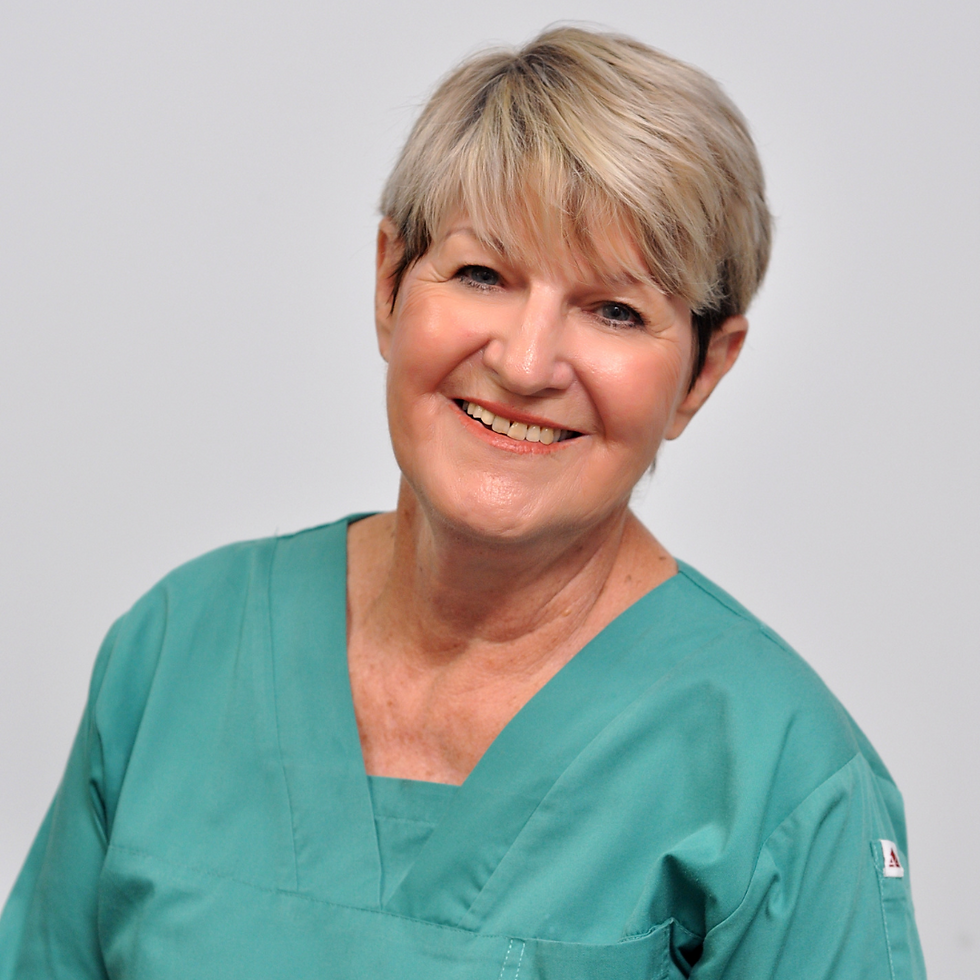
Emily is a pediatric nurse from New Zealand who has lived in Penang for about 2 years, 18 months of which she has spent working with Breathe Life. She first heard about Breathe Life while chatting in a Tabada class. Emily had been looking for a low-commitment way to keep practicing nursing, and the lady in her class had interacted with Breathe Life through her job in a nearby school for refugees.
Today, Emily handles most of the post-natals on Penang Island along with Sadia, one of Breathe Life’s translator/ doulas.
Emily visits each mom for about an hour to ask how she is doing physically, mentally, and emotionally. “I can always count on Emily to be thorough in her visits with moms,” Glyn said.
Over the course of the visit, Emily will conduct a basic health assessment, ask about how breastfeeding is going, help with any minor feeding issues, check on the healing of any wounds incurred during the birth, advise parents on safe family planning methods, and help moms understand their immunization plan.
An important aspect of the three weekly visits after birth is to advise moms in a tight financial position when they need to go to a clinic — and when they really cannot hold off until next month’s free mobile clinic provided by Doctors Without Borders. Fears of detention, financial strain, and cultural norms are all significant barriers to a Rohingya mom’s trip to the doctor’s office. Free, at-home community nursing is so essential to Breathe Life’s mission of decreasing maternal and infant mortality rates in the Rohingya refugee demographic.
“I’m just trying to stop little health problems from becoming big health problems,” Emily explained. For instance, simply helping a mom and baby learn how to latch well during breastfeeding can have exponential payoffs down the road, preventing infant malnutrition, painful feedings for the mother, and gastric issues for the baby.
While Emily’s natural problem-solver personality makes her well-suited to this kind of role, there are a lot of things that are different from the community nursing she did in New Zealand. Beyond the language barrier, many of the Rohingya in Penang are considered “ultra poor,” a subset of extreme poverty where people make $2.00 USD or less per day.
There is not sufficient data to know what percentage of Rohingya experience ultra poverty versus significant poverty, but both cases significantly change the circumstances of Emily’s nursing visits. Many of the life-threatening illnesses for the Rohingya families here could be fixed in New Zealand with a common surgery, and refugees there are also provided for with publicly funded healthcare.
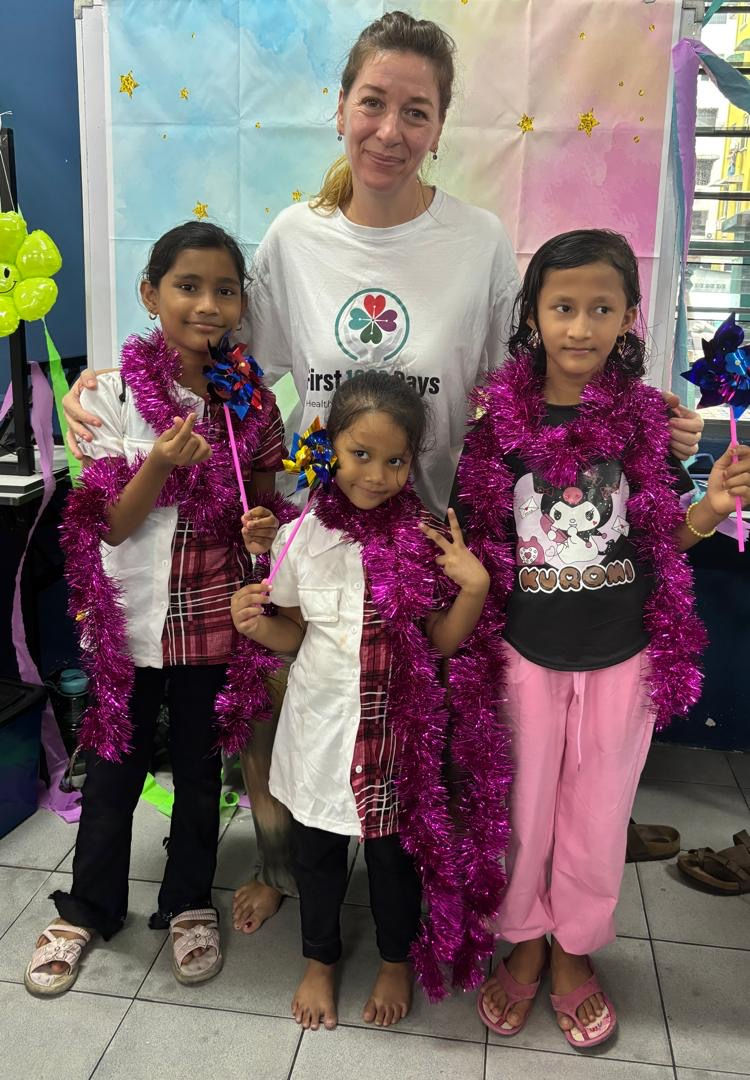
Despite these constraints, Emily continues to show up. Her work may not make the headlines, but it profoundly shapes the First 1000 Days of life for dozens of refugee mothers and their babies. In a system where so much is broken, she offers care, presence, and hope—one visit at a time.
“I’m just helping new babies get a better, healthier start at life.”

I’m your sons friend