

Stateless but Not Voiceless
Updated: Sep 29, 2025
Advocating for Mothers in Exile

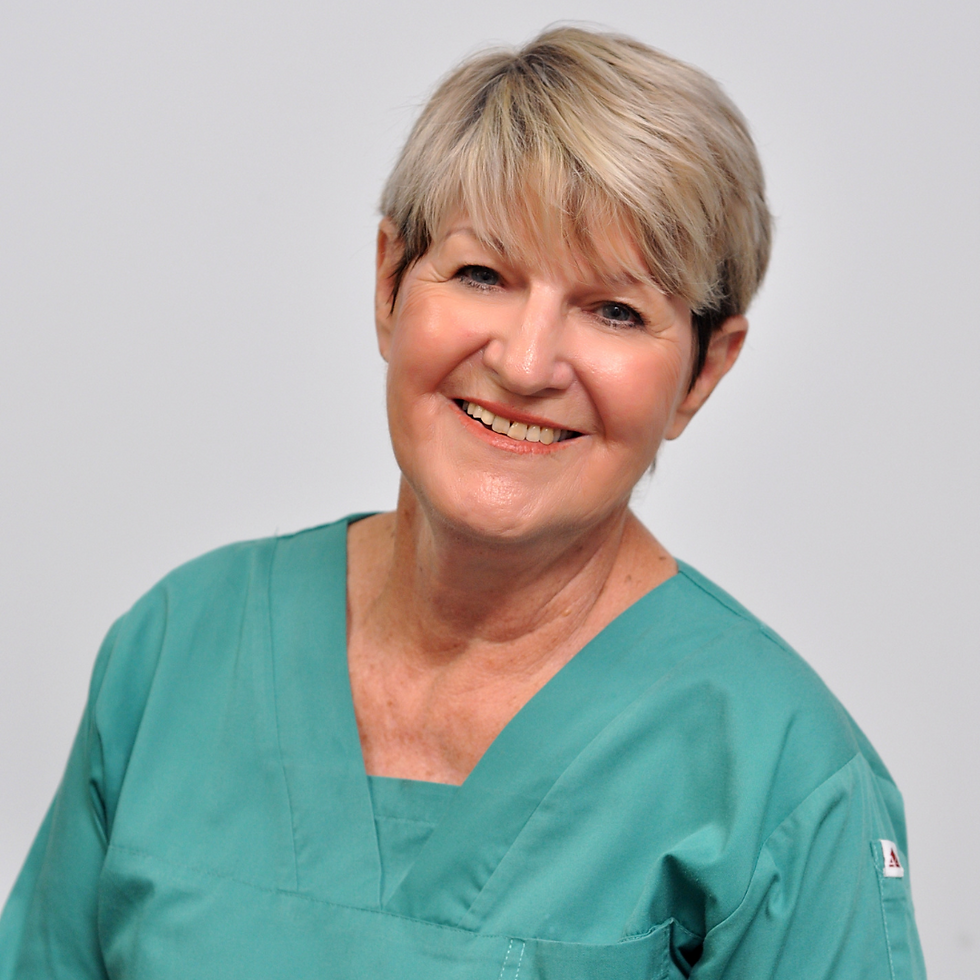
When Glyn, the founder and lead doula at Breathe Life, first asked Nurtaz to be her first female Rohingya translator, Nurtaz actually declined. Her oldest son was only six months old, and she was hesitant to expose him to hospital germs and unfamiliar houses while the COVID-19 pandemic was still raging.
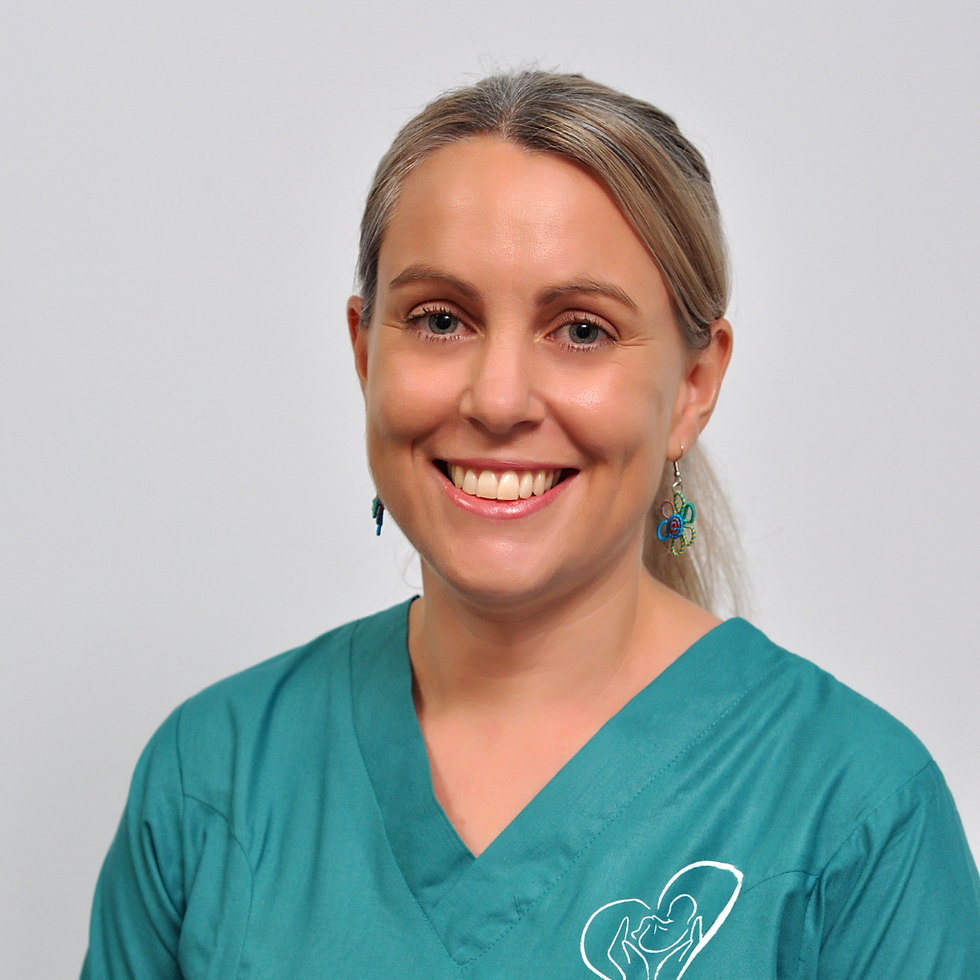
However, being a new mom also gave her a unique appreciation for how much the Rohingya community in Penang, Malaysia, needed birthing assistants, so Nurtaz introduced Glyn to her younger sister instead. Dee was only 15 years old at the time, but already spoke four languages — Rohingya, English, Bahasa Malay, and Urdu. Though she loved learning, Dee had decided to drop out of school when all the classes went online, giving her a lot of free time to attend births and teach prenatal classes.
Nurtaz and Dee have lived in Malaysia for nearly 13 years. At the tender ages of eight and six, respectively, their family’s home in Myanmar’s Rakhine state was burned down by government soldiers. A foreshadowing of the escalation in genocidal violence that would affect many Rohingya-majority villages like it in the coming decade.
Jobless, homeless, and stateless, Nurtaz and Dee’s parents brought the girls and their two little brothers to a nearby village in Rakhine that had become a makeshift refugee camp. When they arrived, however, rations had already begun to run out, and their mother had a difficult decision to make.

“My mom decided that life here is too difficult,” Nurtaz explained. “At that time, so many of them were going to Malaysia for a better life, so my mom thought, ‘Why don't we try our luck?’”
Packed onto a small fishing boat with a few other families — 35 people total — their parents passed money to the boat owner, who claimed to know the route to Malaysia. A few days into the journey, after food and water had already run out, Nurtaz realized that, “... actually, he didn’t.”
By happenstance, the boat was able to reach an island owned by the Indian government. The local people helped them resupply to continue their journey, but it was not enough to get the boat to Malaysia, especially when no one knew the way.
On the 17th day of their journey, Nurtaz and Dee’s three-year-old brother passed away due to extreme dehydration. Not long after, an island appeared on the horizon again. It was the same Indian island that they departed from two weeks earlier. They had gone in a circle.
“You know,” Nurtaz said, “the miracle thing is that after everyone came down from the boat, it split in two. Can you imagine that?”
While grieving the loss of their brother, Nurtaz and Dee saw this island as “a second chance to live.” The local people connected the families with “an agent in Malaysia,” who was able to bring the group along sea trafficking routes to Thailand in a new boat. Over the next few months, the agent drove the 35 refugees across the Malaysian border a few at a time — huddled under stuffy blankets in the back of his small car.
Though free from genocide — discrimination, wrongful detention, and abusive treatment of the Rohingya are still common in Malaysian society. Thirteen years later, Nurtaz is thankful for the “proper education” and relative cultural freedom she has received in Malaysia, despite the painful ethnic targeting and verbal abuse she and Dee have incurred on the path to “a better life.”
“I feel like we are still grateful that we have this kind of life,” Dee affirmed. “There are more people who are suffering, cannot eat for days, have to stay in fear, and who get treated more badly than us. At least we can speak languages, and we can communicate.”
Inspired by the way Dee was able to assist and advocate for frequently exploited Rohingya families through the prenatal and birth process with Breathe Life, and with the permission of her husband, she later joined her sister as a translator.
At the insistence of Glyn and with the financial assistance of Breathe Life, Dee has completed her GED certificate with distinction, and both sisters are now enrolled in an internationally recognized doula certification called Childbirth International. “Glyn takes care of me like her family, who want to change my life for the better,” Dee said. “She goes the extra mile to help.”

Today, Nurtaz and Dee are still teaching prenatal classes and have been essential in pioneering the First 1000 Days Initiative, a program developed by the UN and WHO to promote community development by supporting at-risk mothers and children from conception to age two. According to Dee, as word of Breathe Life’s services spreads, “we now have so many ladies who we are not helping financially, but still they come from so far to attend the classes just for us, just for the help in the labor.” Both women regularly conduct post-natal wellness checkups with the new moms, and help them to implement the lessons about breastfeeding, nutrition, etc, that were taught in the prenatal courses.
Dee is on call 24/7 to help the moms through their labor, translate for the senior doulas, get moms to the hospital on time, and advocate for their well-being. “Most of the women, they don't have anyone in Malaysia,” Dee explained. “So we go and help them during their labor, which they are very thankful for.”
Both women plan to continue working for Breathe Life until they finish their resettlement process, which could take several more years.

Comments